
IndustryPath
The global industrial transition, modeled one facility at a time.
IndustryPath is Subtext Systems' bottom-up, facility-level model of how heavy industry decarbonizes: plant by plant, year by year, worldwide. It tracks where, when, and how the transition happens under different policy, cost, and trade scenarios, and what it costs. Multi-sector by design, spanning steel, cement, chemicals, and critical minerals. Used across our peer-reviewed and policy publications.
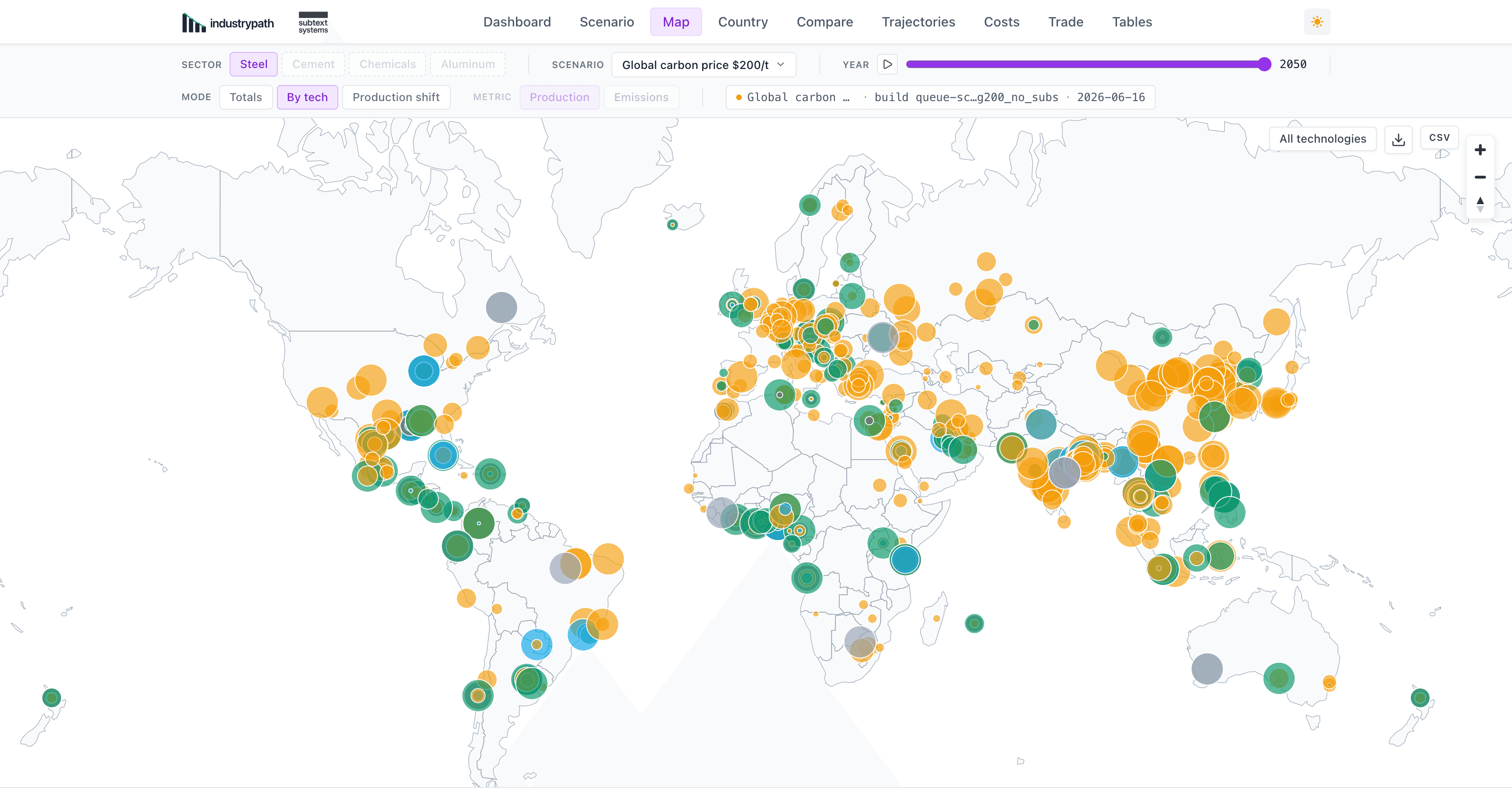
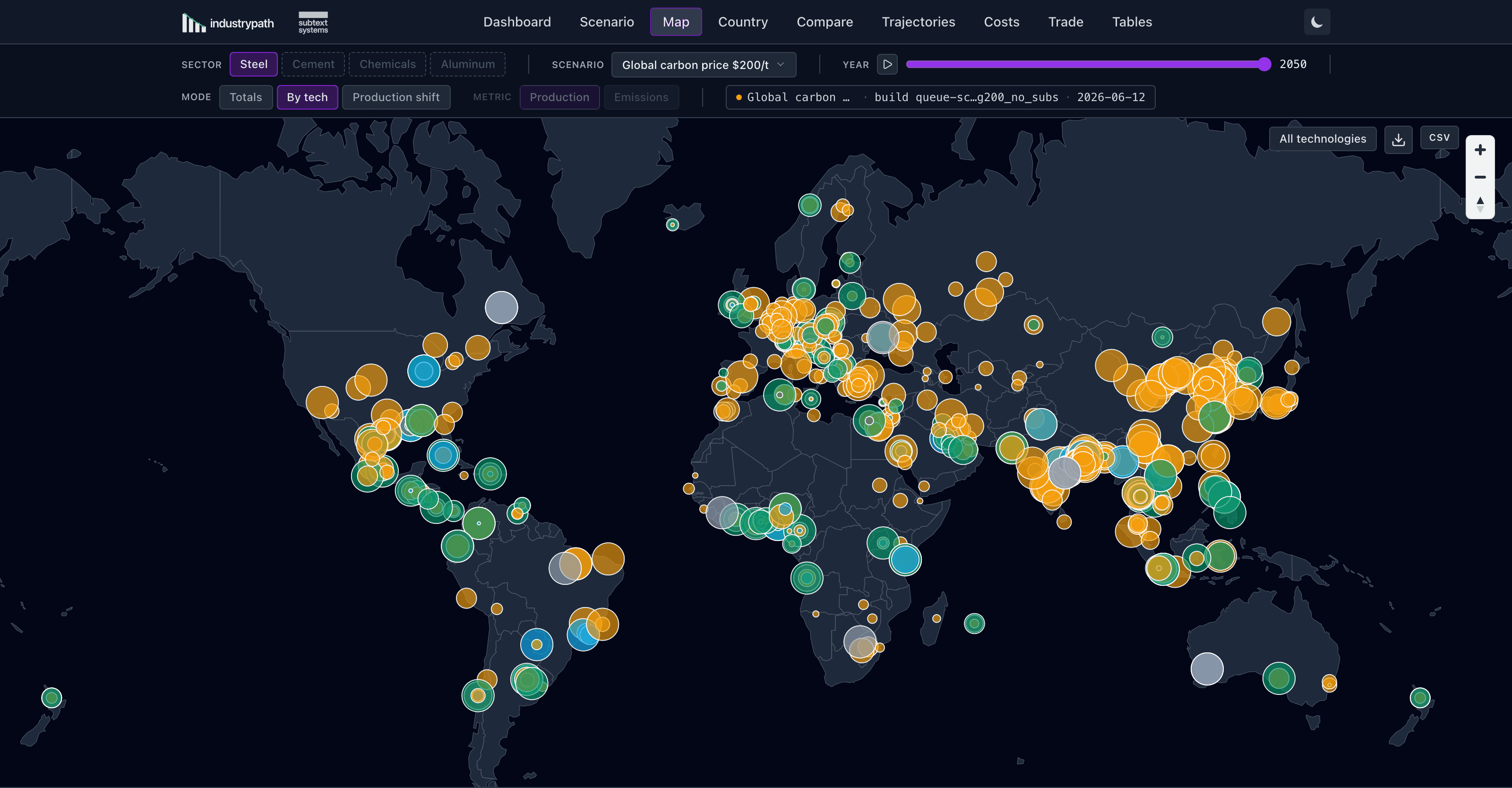
Every primary steelmaking facility on Earth, colored by production technology. Shown under a global carbon price in 2050, as the fleet shifts from coal-based steelmaking (dark) toward scrap (amber) and hydrogen-based steel (green and teal). Scenario, year, and technology are all interactive in the model.
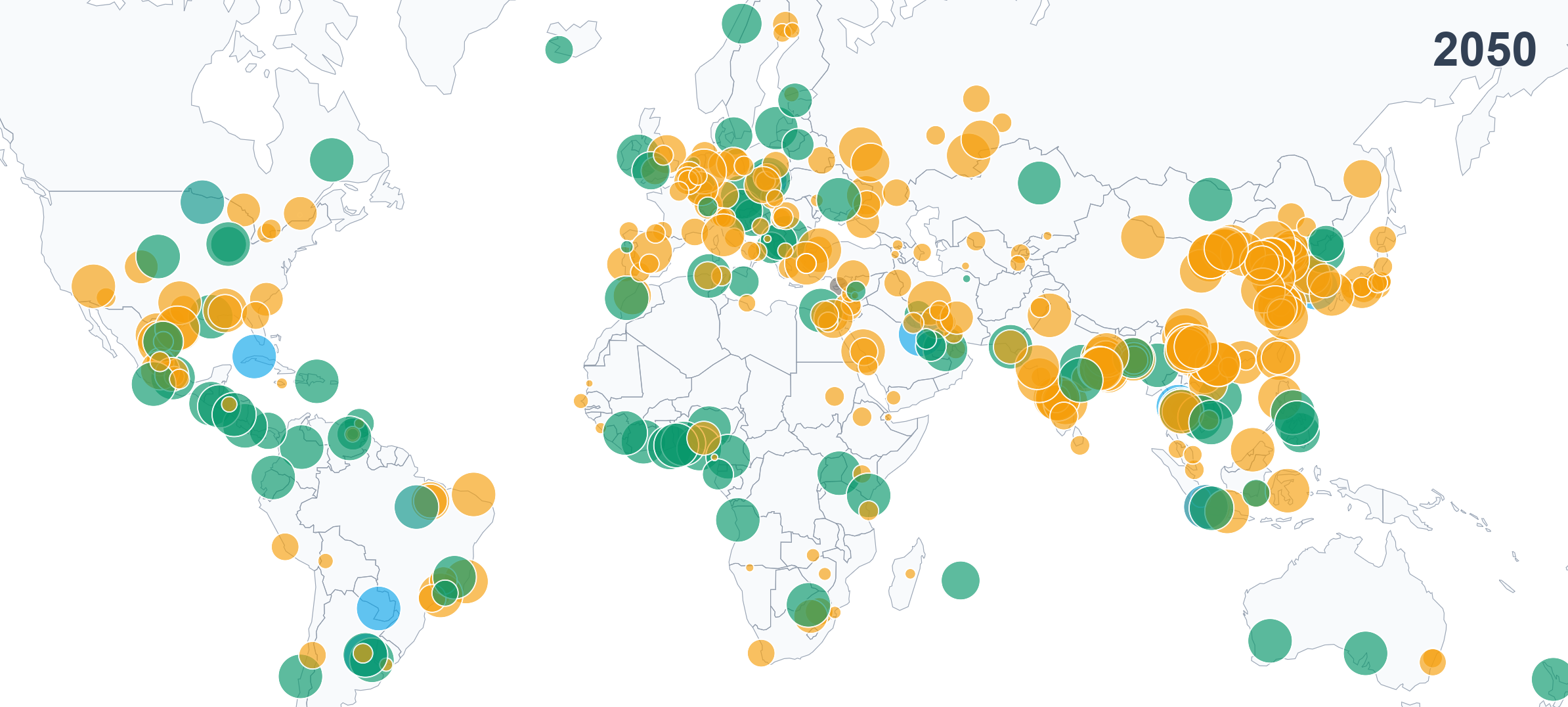
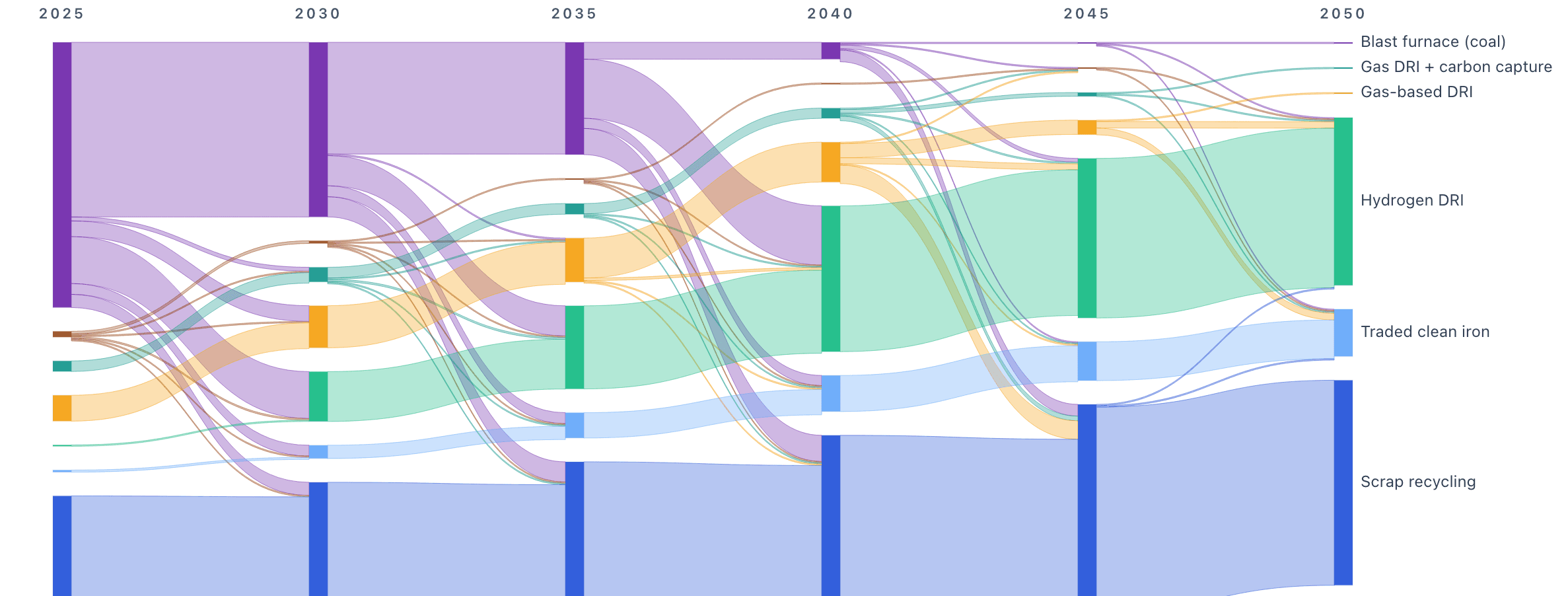
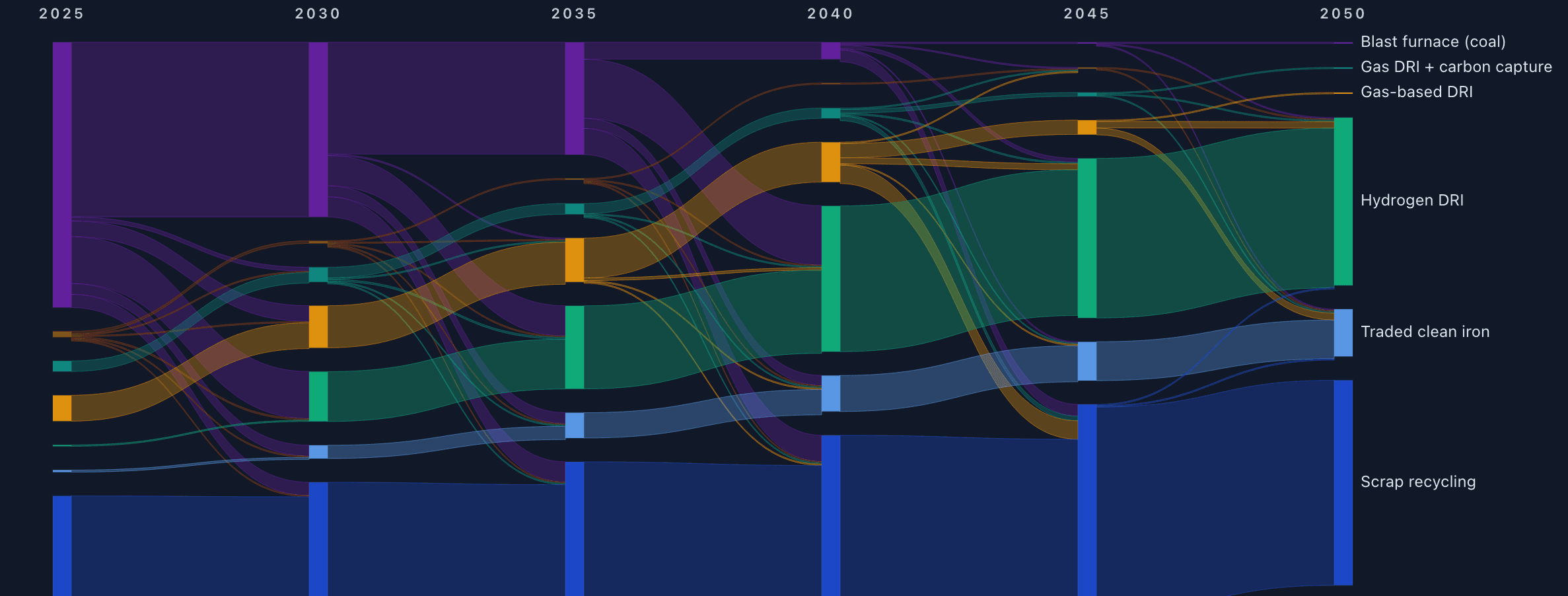
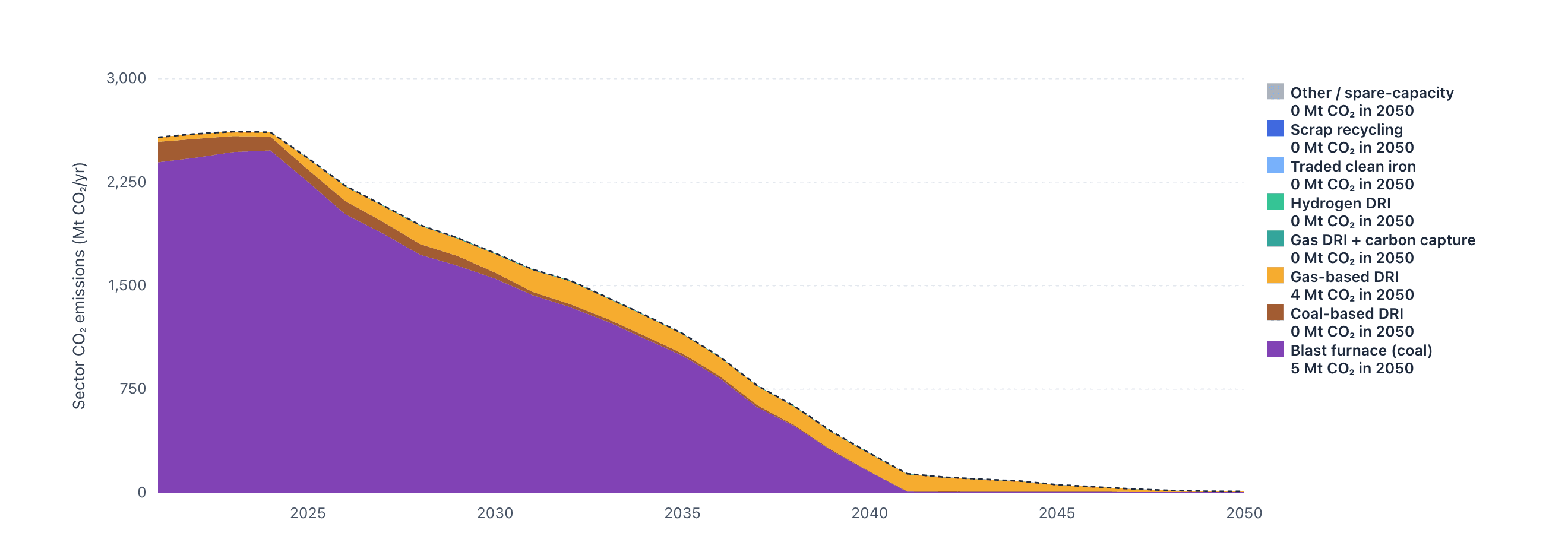
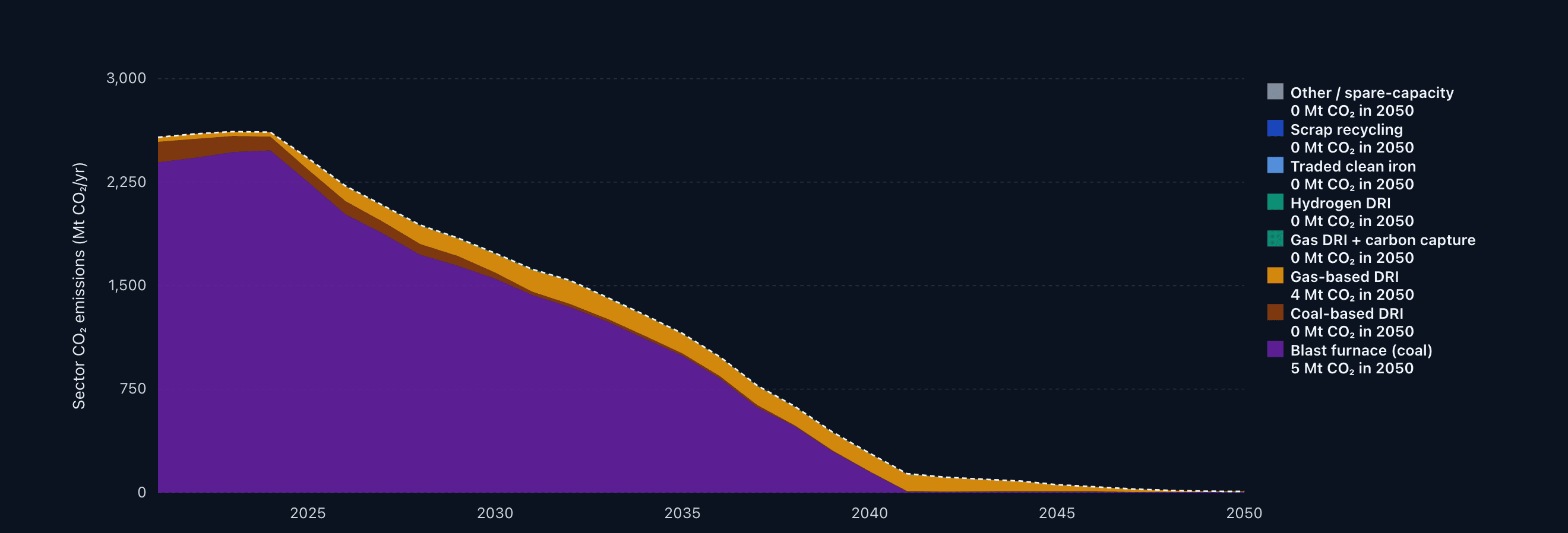
An example transition to near-zero emissions: every primary steel plant from 2021 to 2050, recoloring as coal-based steelmaking (dark) gives way to scrap (amber) and hydrogen-based steel (green). One strong carbon-price scenario, shown to illustrate the model, not a forecast.
What IndustryPath does
Facility-level techno-economic simulation
Plant-by-plant capacity evolution, technology vintages, cost-based site selection, and competitive retirement dynamics across thousands of steelmaking facilities worldwide. Annual resolution, 2022–2050.
Trade, resources, and policy transmission
Bilateral commodity flows and embodied emissions between regions. CBAM-style border adjustments, tariffs, subsidies, production credits (including hydrogen PTC and CCS incentives) propagating to facility-level deployment and retirement decisions. A minimum-cost arc-flow representation routes production and trade across industrial commodities and critical minerals, supporting chokepoint and supply-disruption stress tests.
Multi-sector framework
Multi-sector framework for heavy industry decarbonization pathways across steel, cement, and chemicals, developed through funded collaborations.
From facilities to pathways
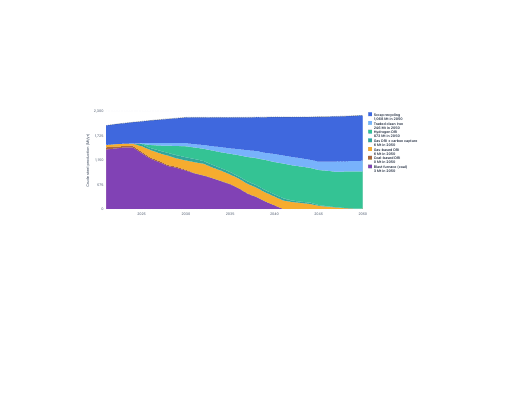
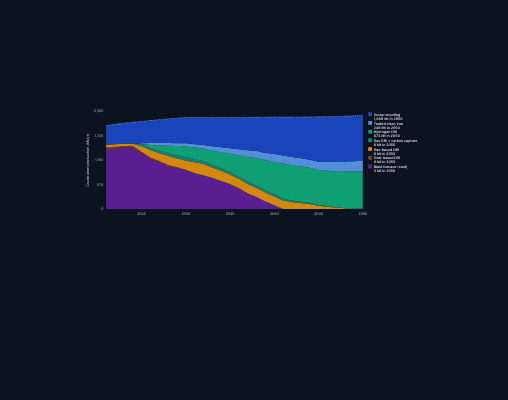
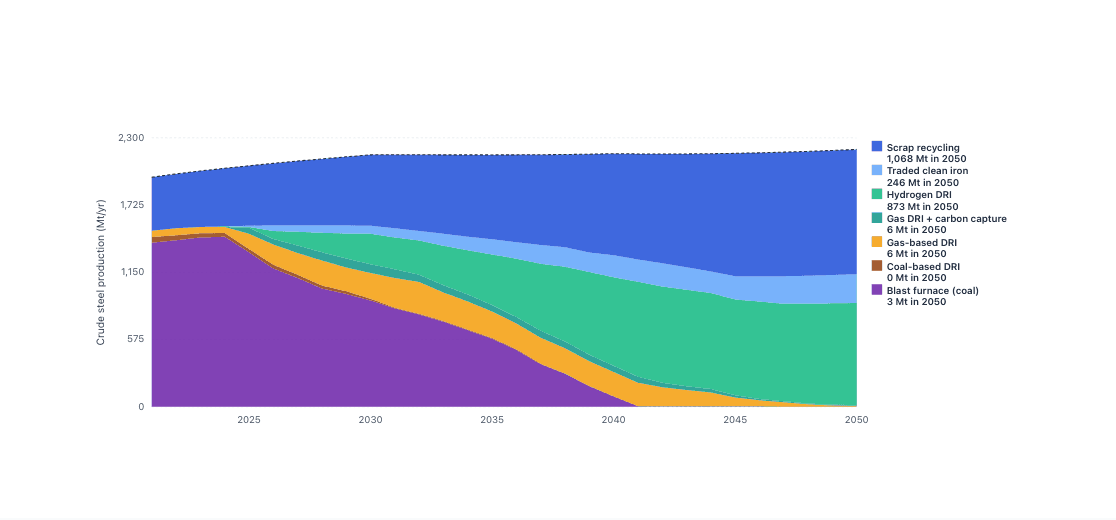
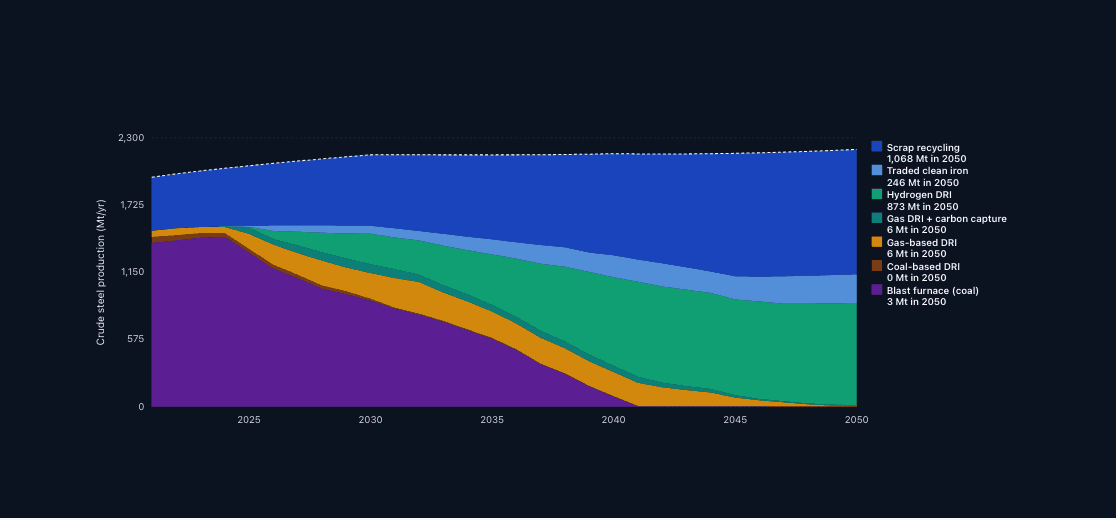
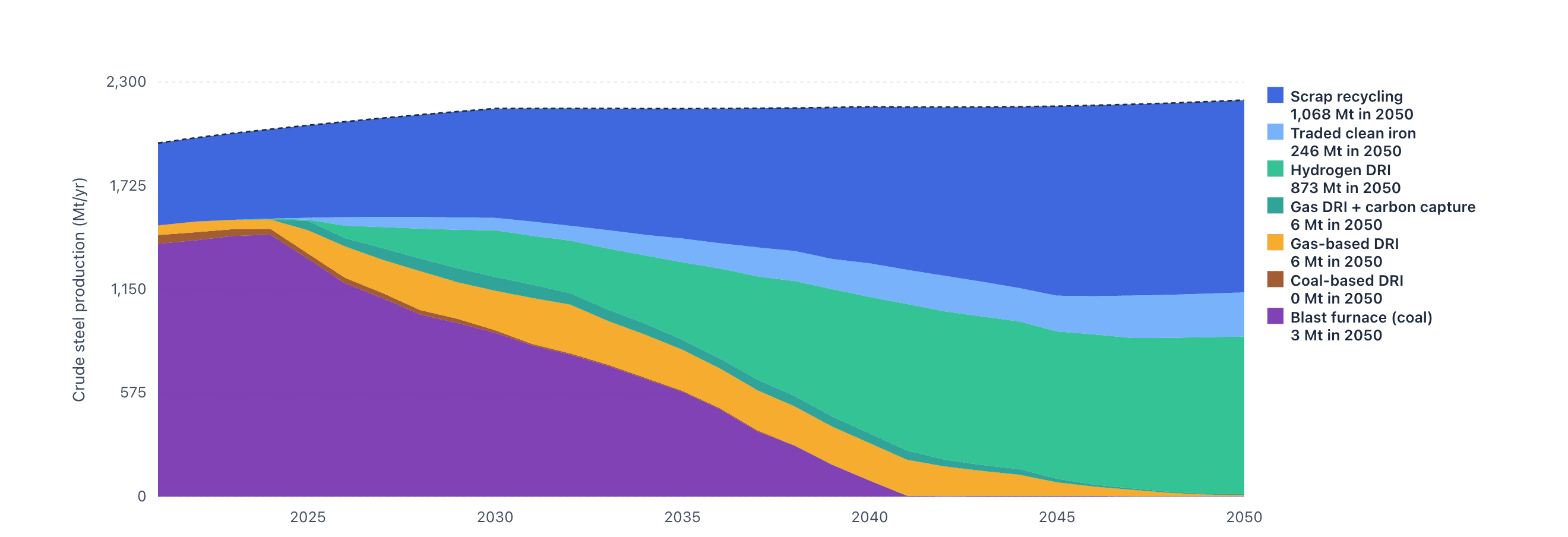
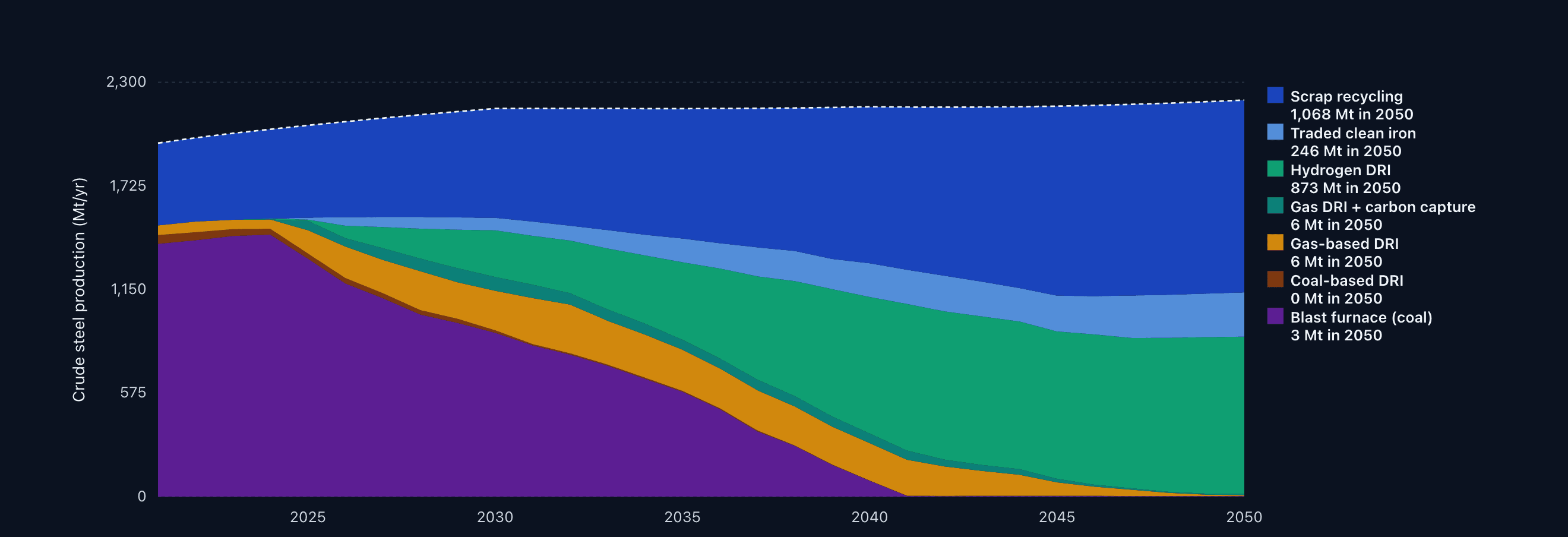
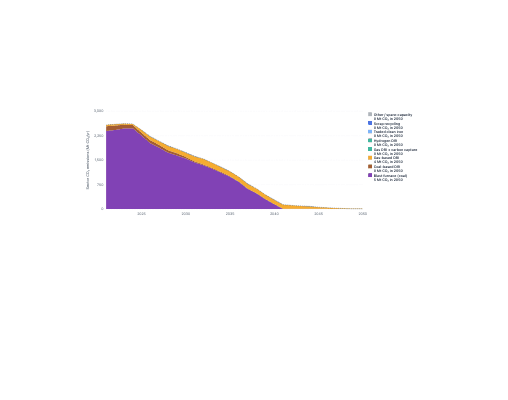
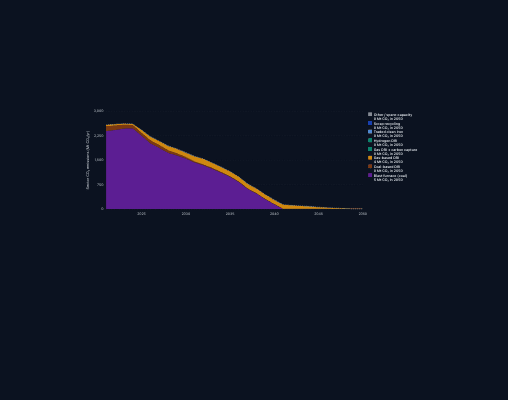
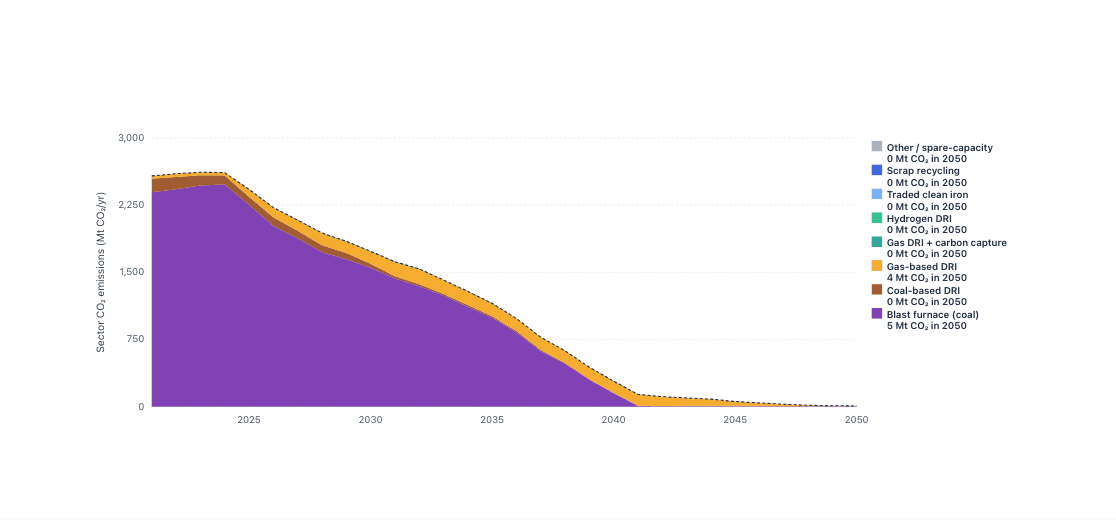
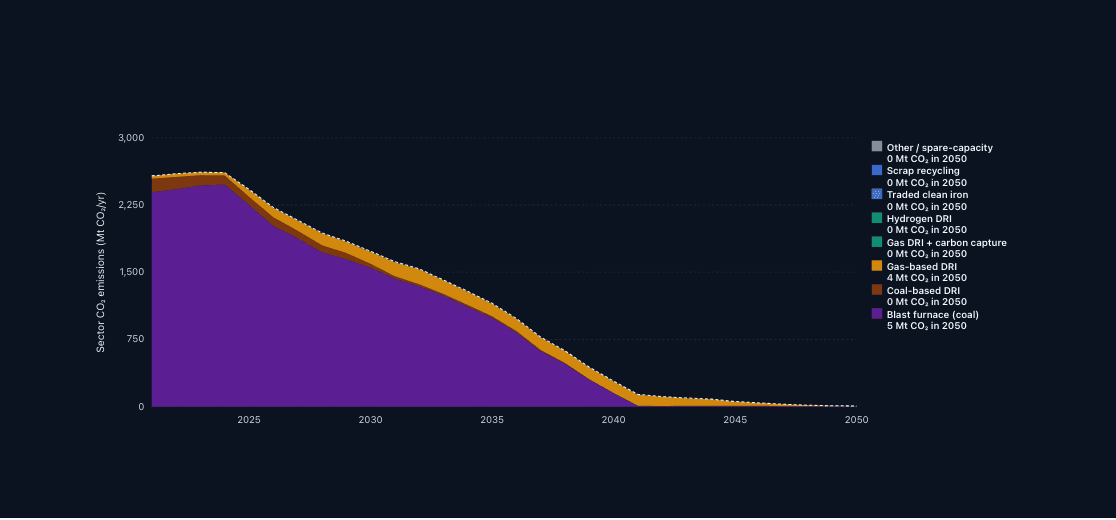
The same facility-level engine rolls up into the curves decision makers argue over: how the technology mix shifts and where emissions land.
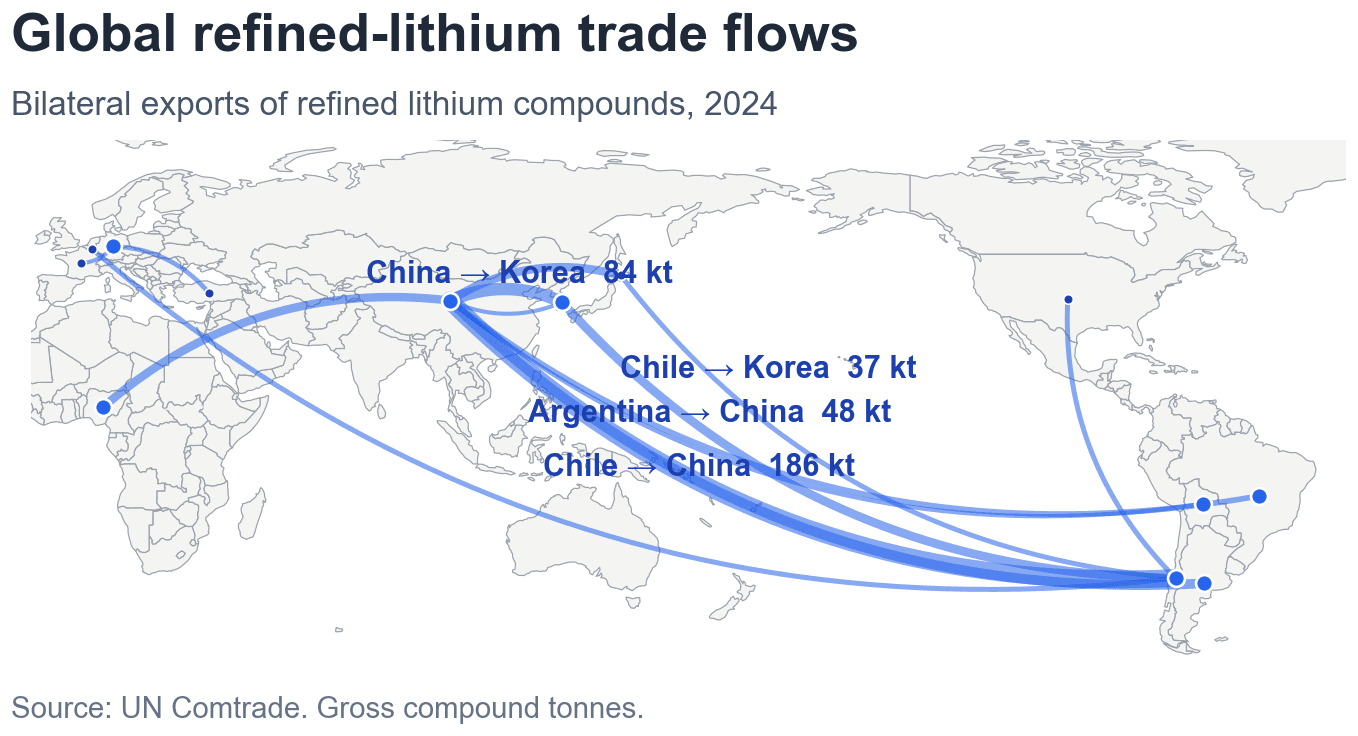
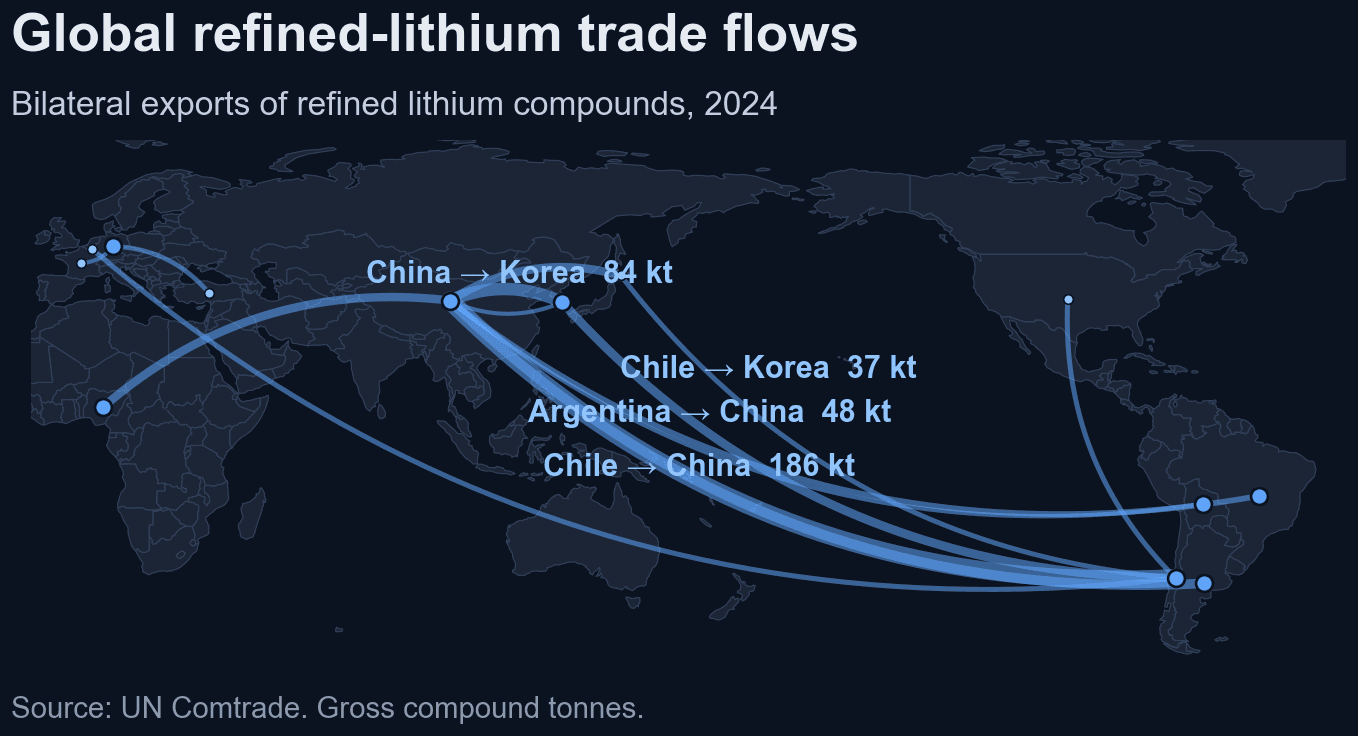
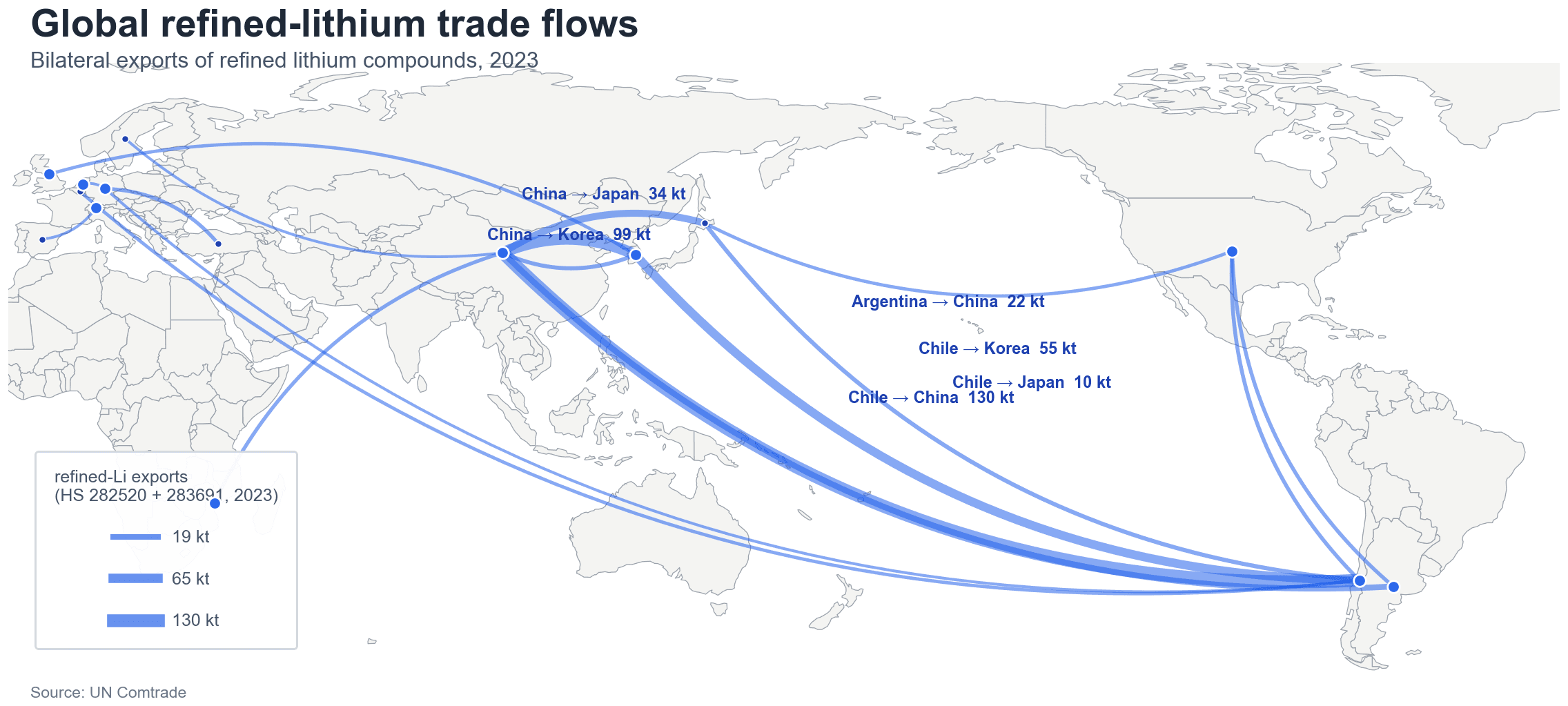
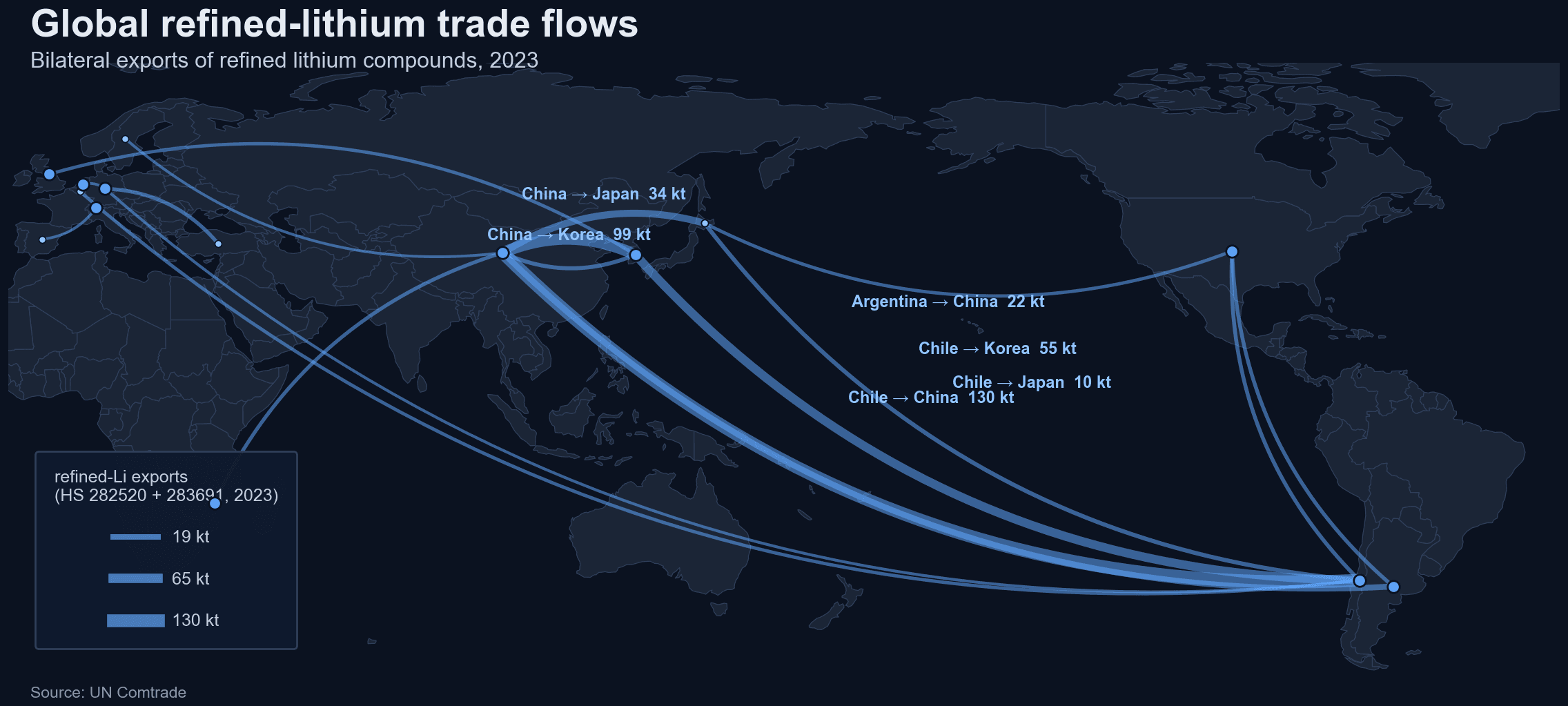
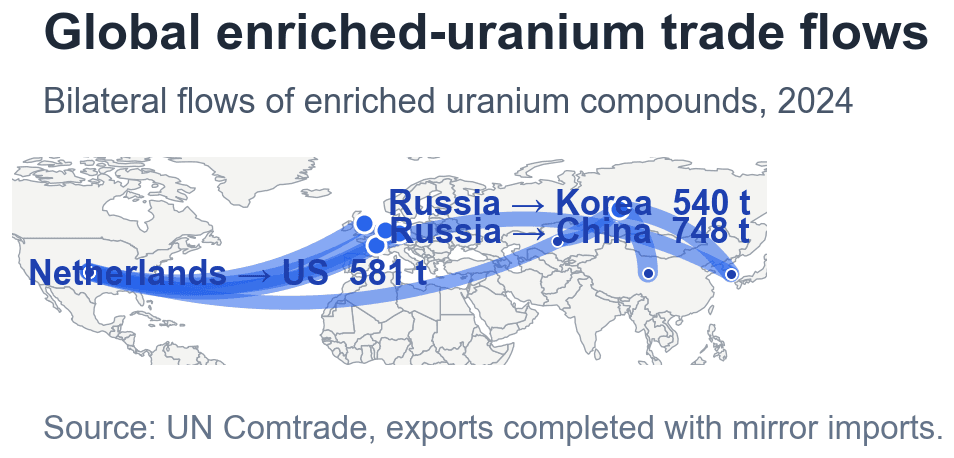
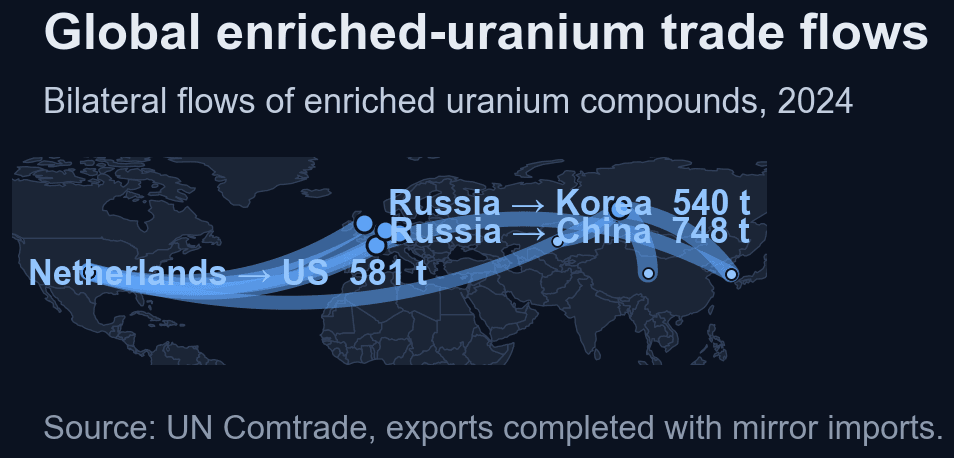
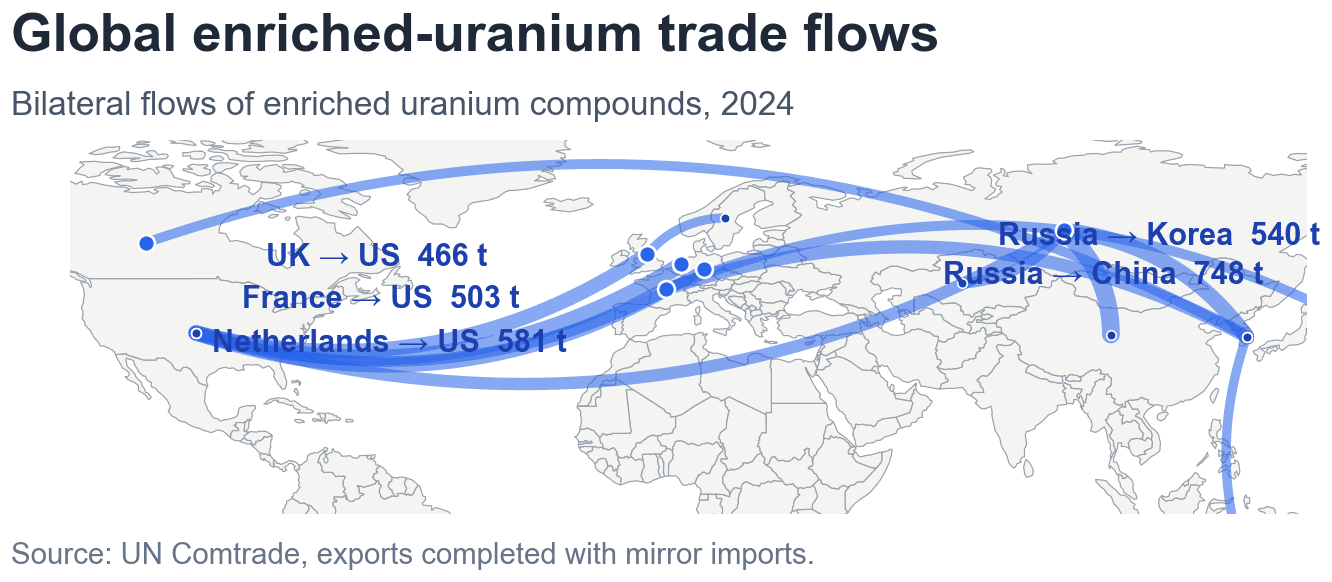
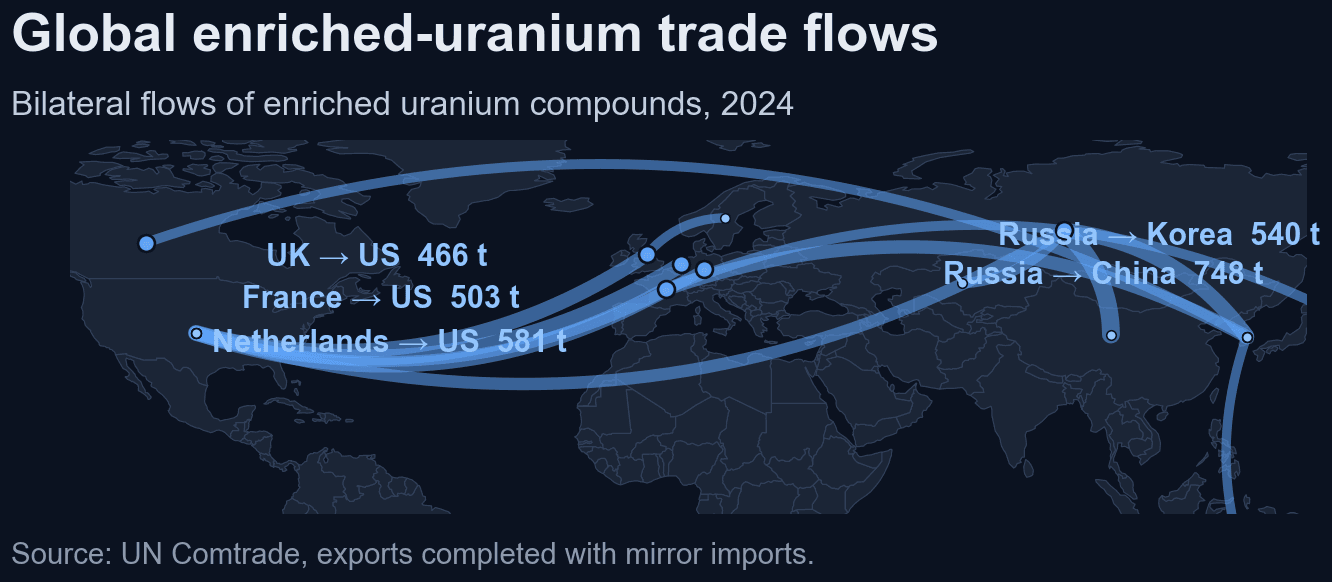
Trade and supply-chain analytics
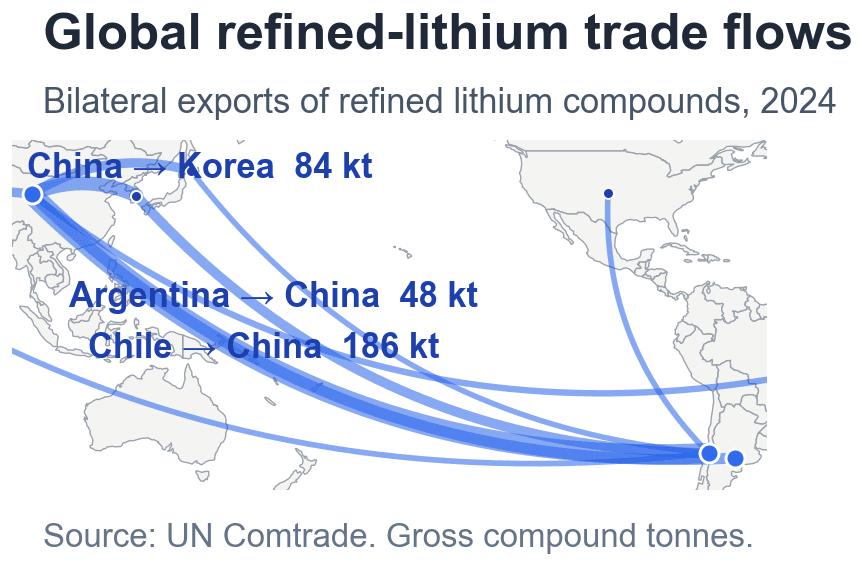
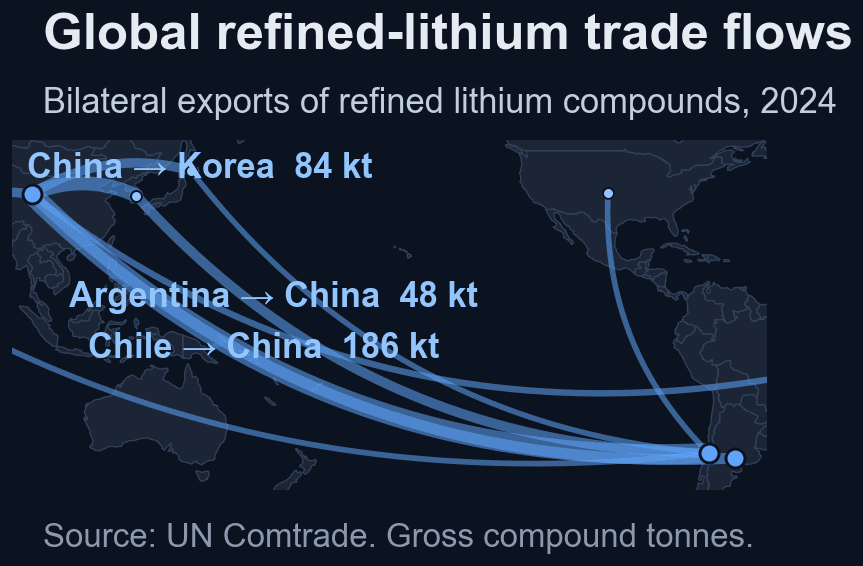
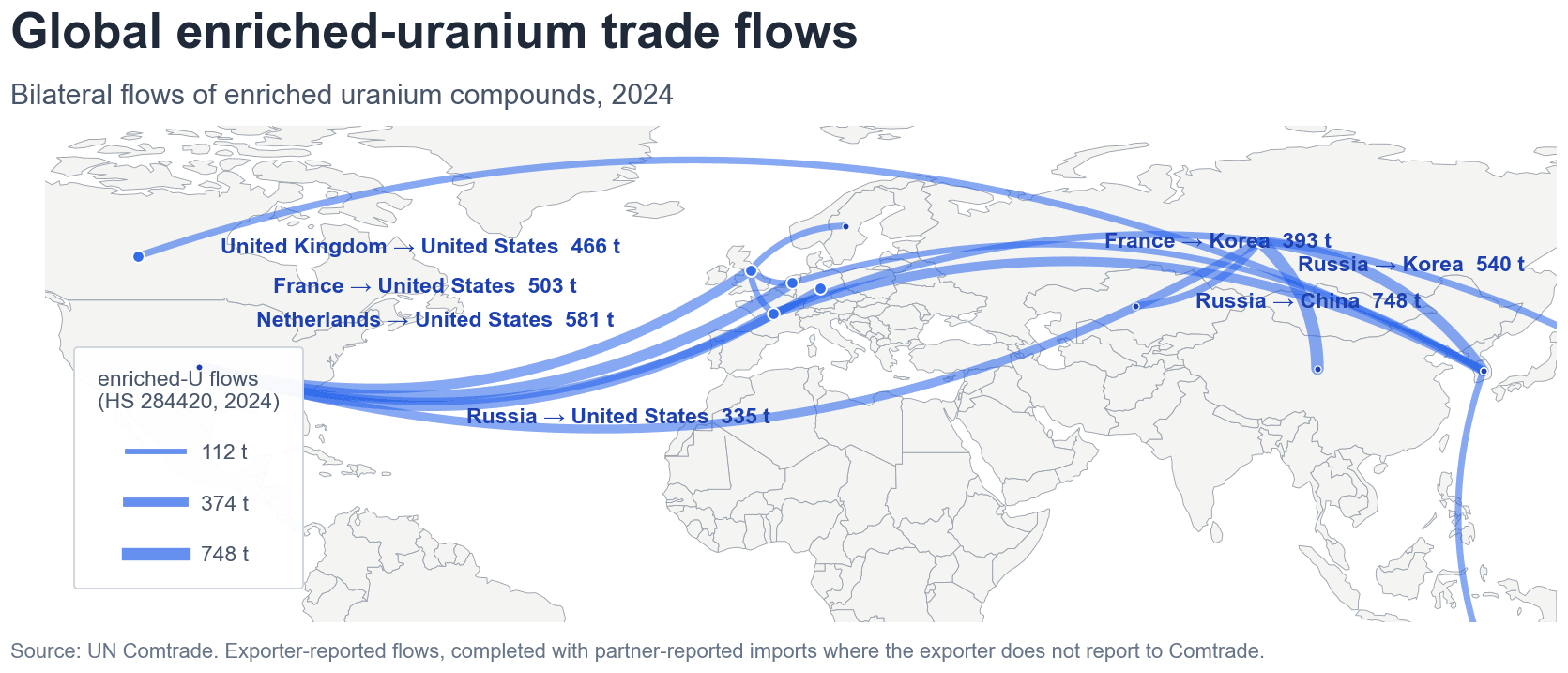
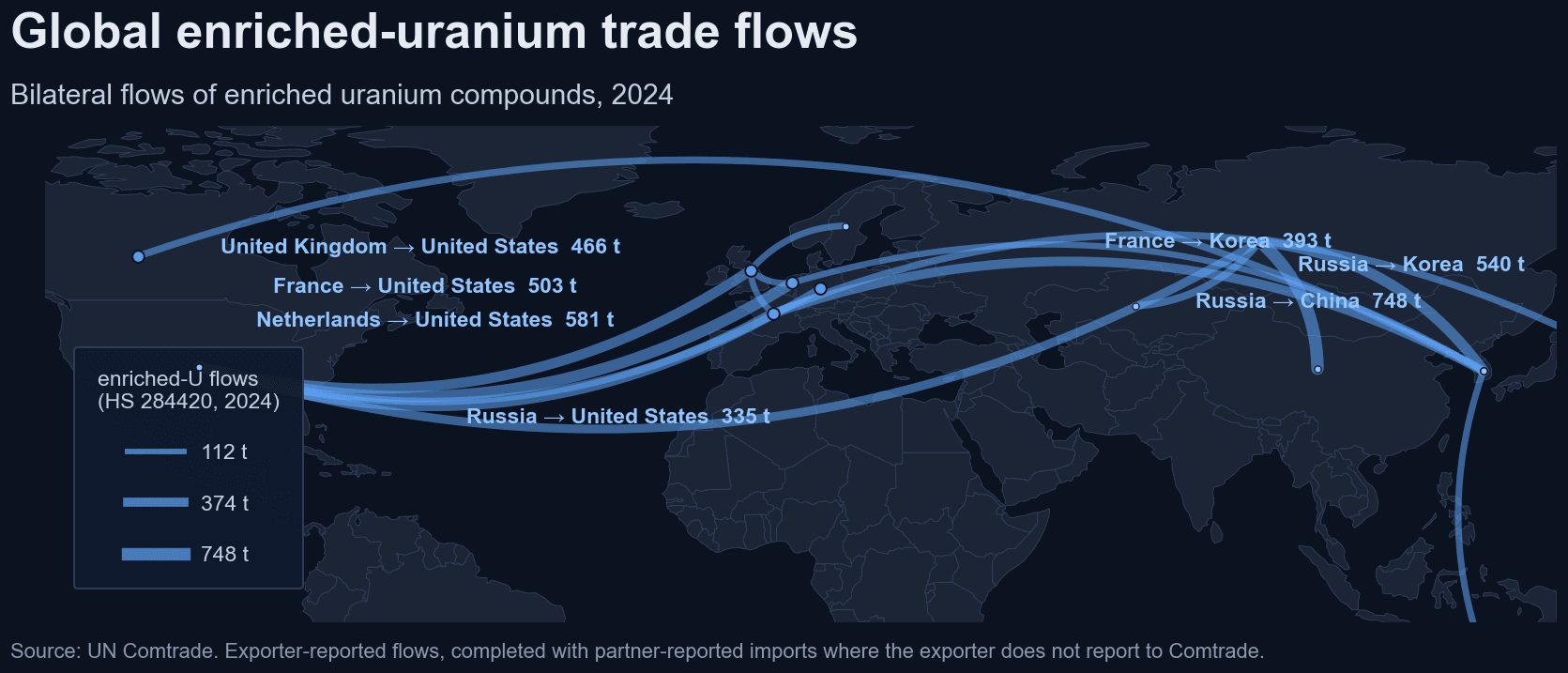
The same network-flow engine ingests public trade data to map how industrial commodities and critical minerals move between countries.
What it's designed for
IndustryPath answers capacity-deployment, technology-mix, site-selection, and trade-exposure questions under explicit policy and market assumptions. It complements traditional energy system models (TIMES / MARKAL / IAM-class) by capturing facility-level spatial, logistical, and policy dynamics that sector-average or national-scale models do not resolve.
The framework is designed around explicit assumptions: it states what it optimizes, what it treats as exogenous, and where sensitivity matters. Scenarios are run deterministically. Probabilistic exploration and Monte Carlo ensembles are handled through companion analysis on an engagement-by-engagement basis. Questions that require endogenous market-clearing, dynamic price discovery, or macro-scale equilibrium analysis sit outside IndustryPath's scope and are routed to specialist collaborators.
Published work
IndustryPath underpins our peer-reviewed and policy publications, including the first peer-reviewed paper built on it, on net zero steel in the United States.
See our publicationsCommission a scope
IndustryPath is available for commissioned analyses across steel, cement, chemicals, and critical minerals, and for co-developed sector-module extensions into adjacent heavy industry.